Learn the science, systems, and technologies transforming
organic waste into value.
Composting is the controlled aerobic decomposition of food scraps, yard waste, and other biodegradable materials into stable, nutrient-rich humus that improves soil health and supports plant growth.
Composting is nature's recycling system. Microorganisms break down organic waste into a dark, earthy soil amendment that improves structure, moisture retention, and nutrient availability. A healthy process depends on balanced carbon and nitrogen inputs, proper moisture, and regular aeration.
Microbes convert kitchen and garden waste into stable organic matter.
Greens, browns, oxygen, and moisture work together for efficient composting.
Finished compost enriches soil and supports healthier plant growth.
Inputs to finished compost
Organic waste becoming healthy soil
Modern systems for large facilities
From reducing landfill burden to fighting climate change, composting is one of the most impactful things we can do for the planet.
Diverts up to 50% of household waste from landfills by turning organic matter into a valuable resource.
Prevents methane — a greenhouse gas 80× more potent than CO₂ — from unmanaged organic waste in landfills.
Creates nutrient-rich humus that replenishes depleted soils and reduces the need for chemical fertilizers.
Compost-amended soil holds significantly more moisture, reducing irrigation needs and preventing erosion.
Closes the organic loop — waste becomes a resource, creating value from what was once discarded.
Helps cities and businesses meet sustainability targets and comply with waste diversion regulations.
Understanding these key factors is essential for successful composting at any scale.
Carbon-rich 'browns' and nitrogen-rich 'greens' form the foundation.
Ideal carbon-to-nitrogen ratio of 25–30:1 ensures efficient decomposition by microorganisms.
Maintain 40–60% moisture — like a wrung-out sponge — for optimal microbial activity.
Aerobic composting needs oxygen. Regular turning or forced aeration prevents anaerobic conditions.
Smaller particles decompose faster. Shredding material increases surface area for microbial action.
Thermophilic phase (55–70°C) kills pathogens and weed seeds. Monitor for process health.
Regular mixing introduces oxygen, redistributes moisture, and accelerates decomposition.
4–8 weeks of curing after active composting stabilizes the product for safe soil application.
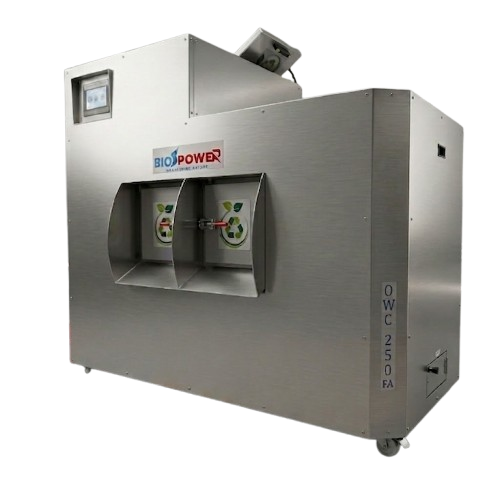
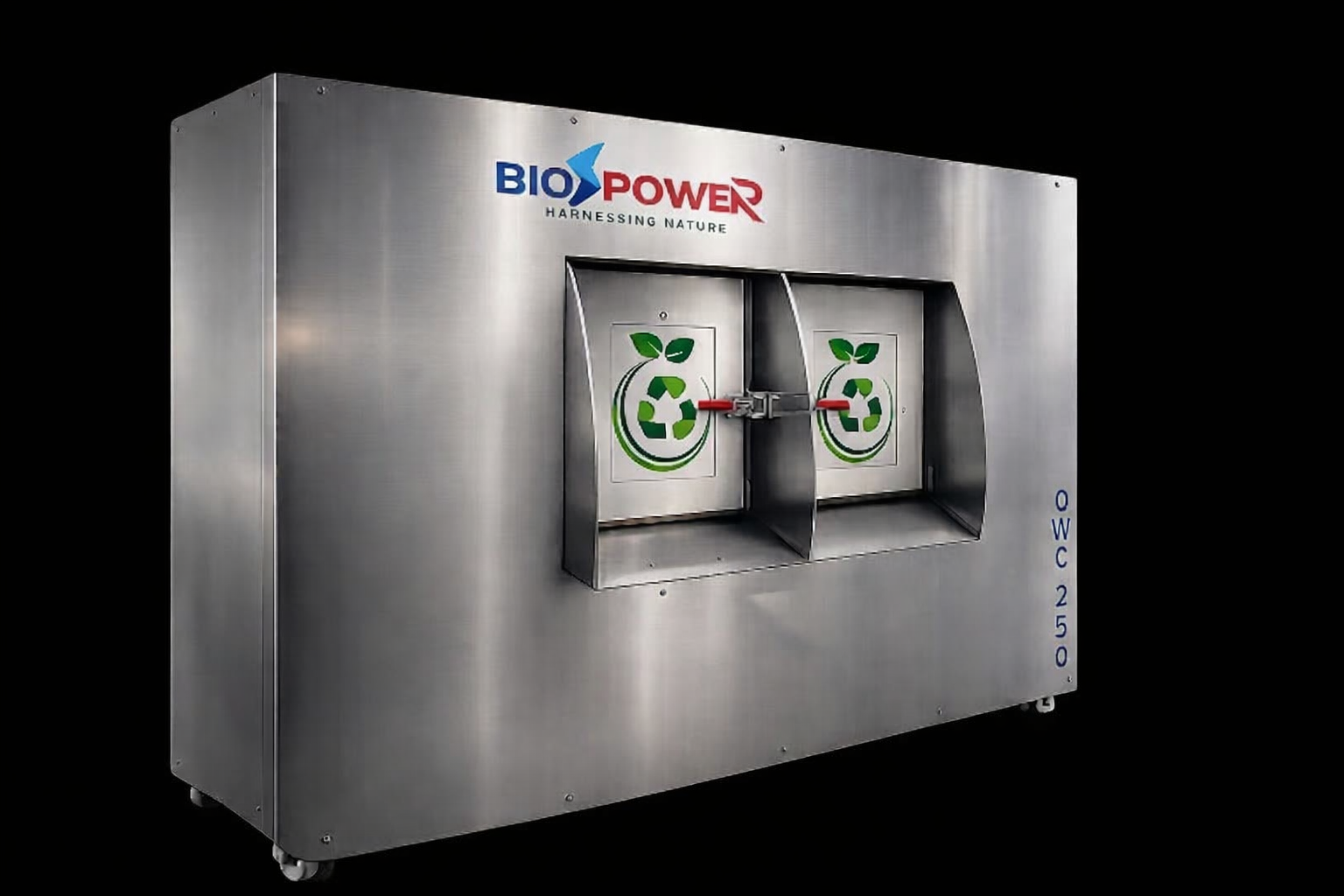
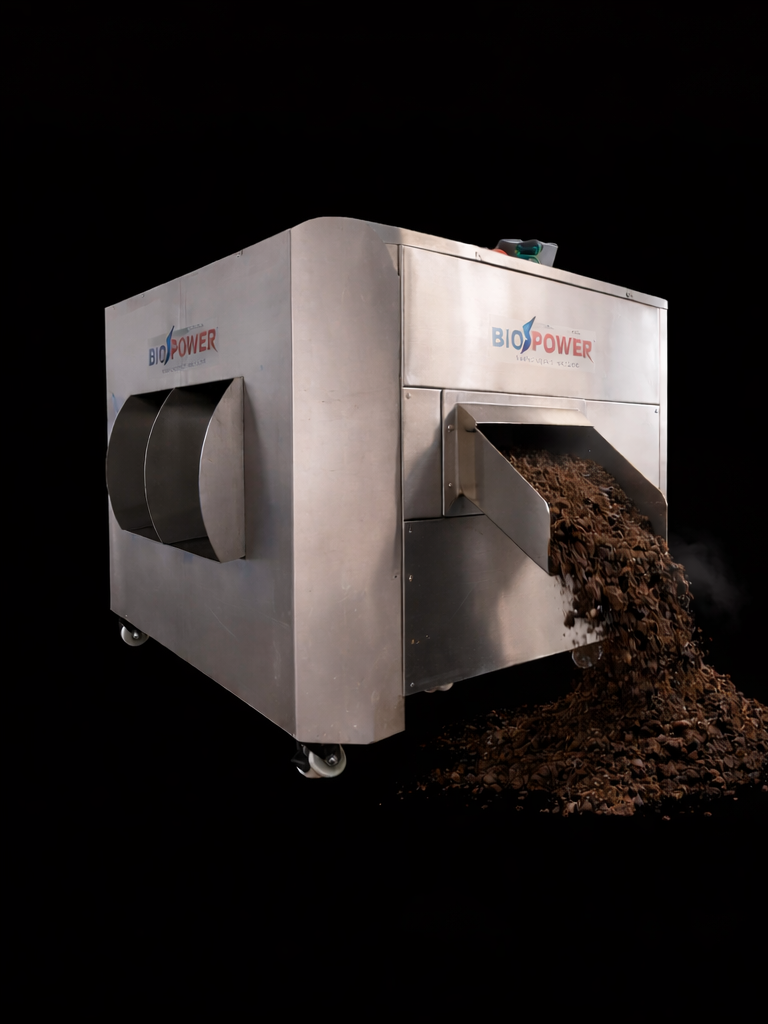
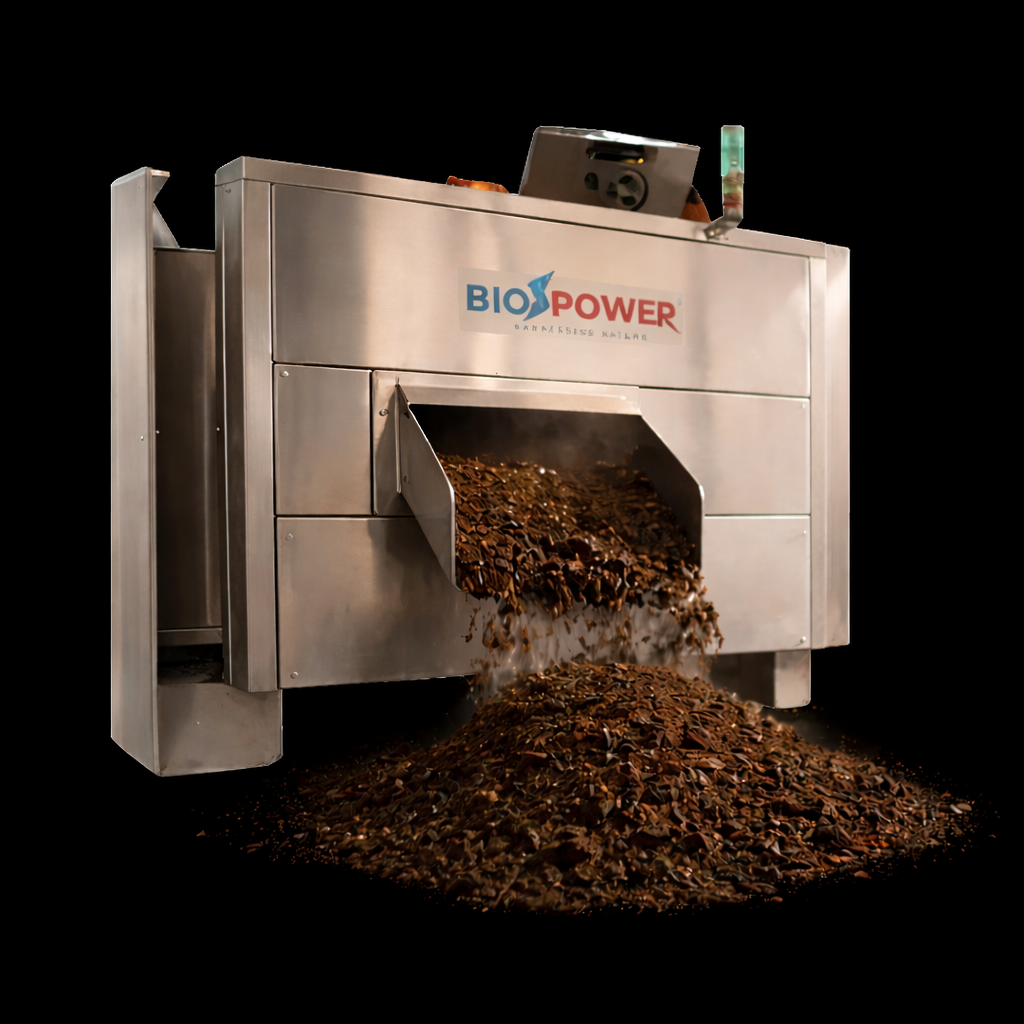
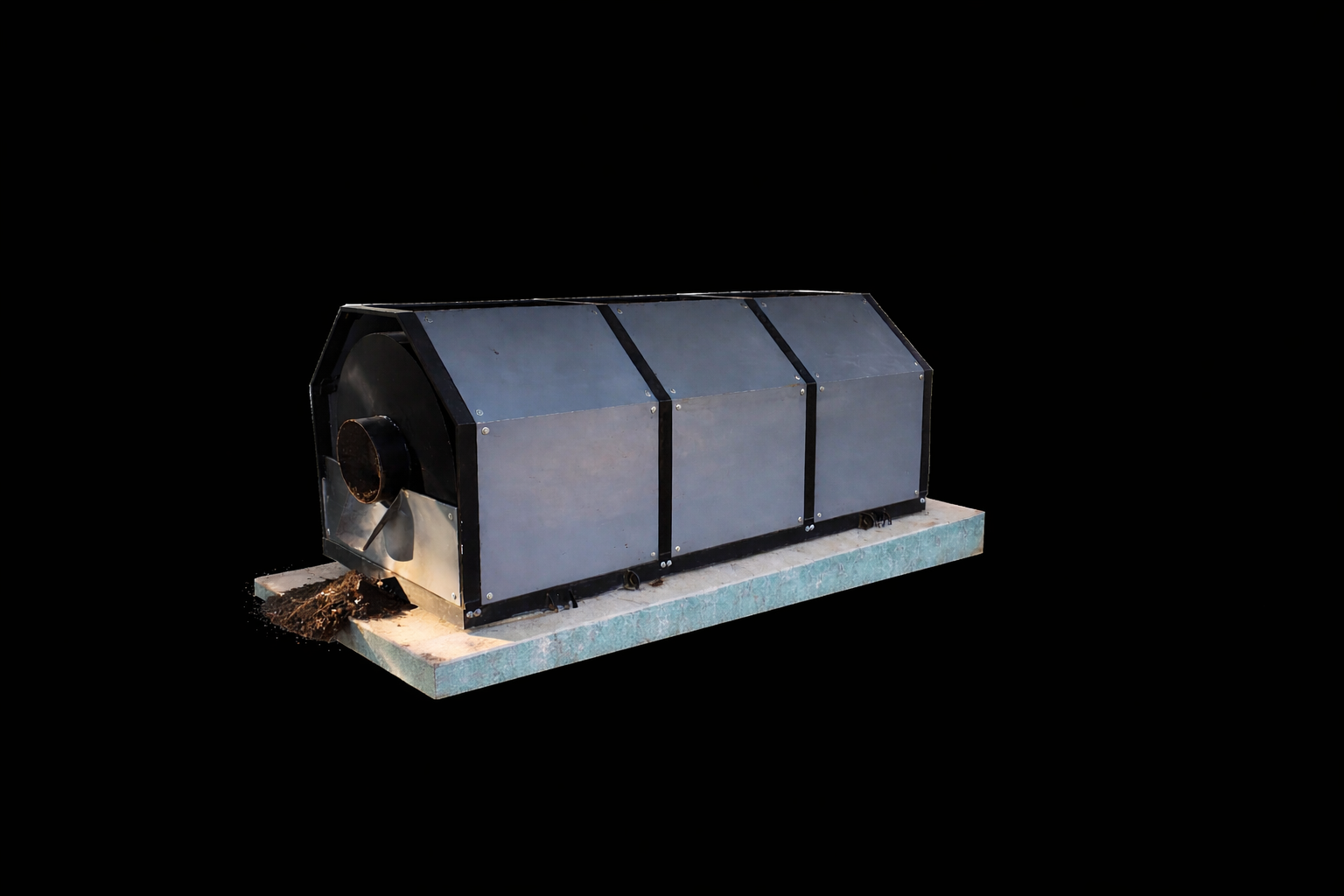
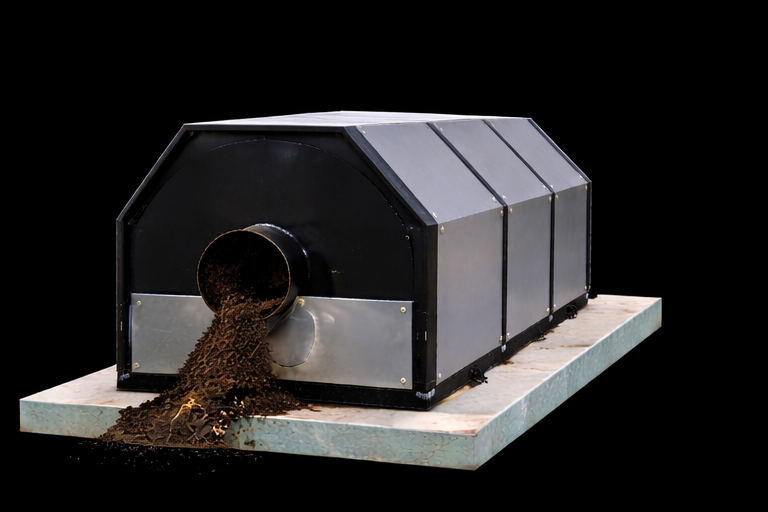
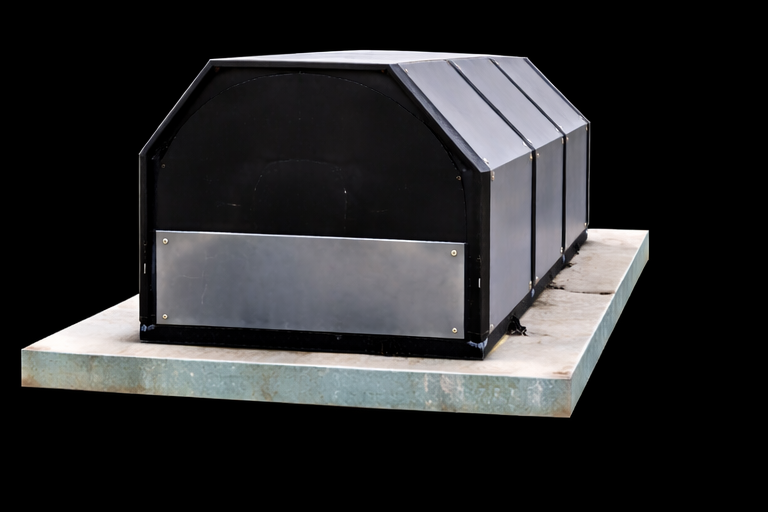
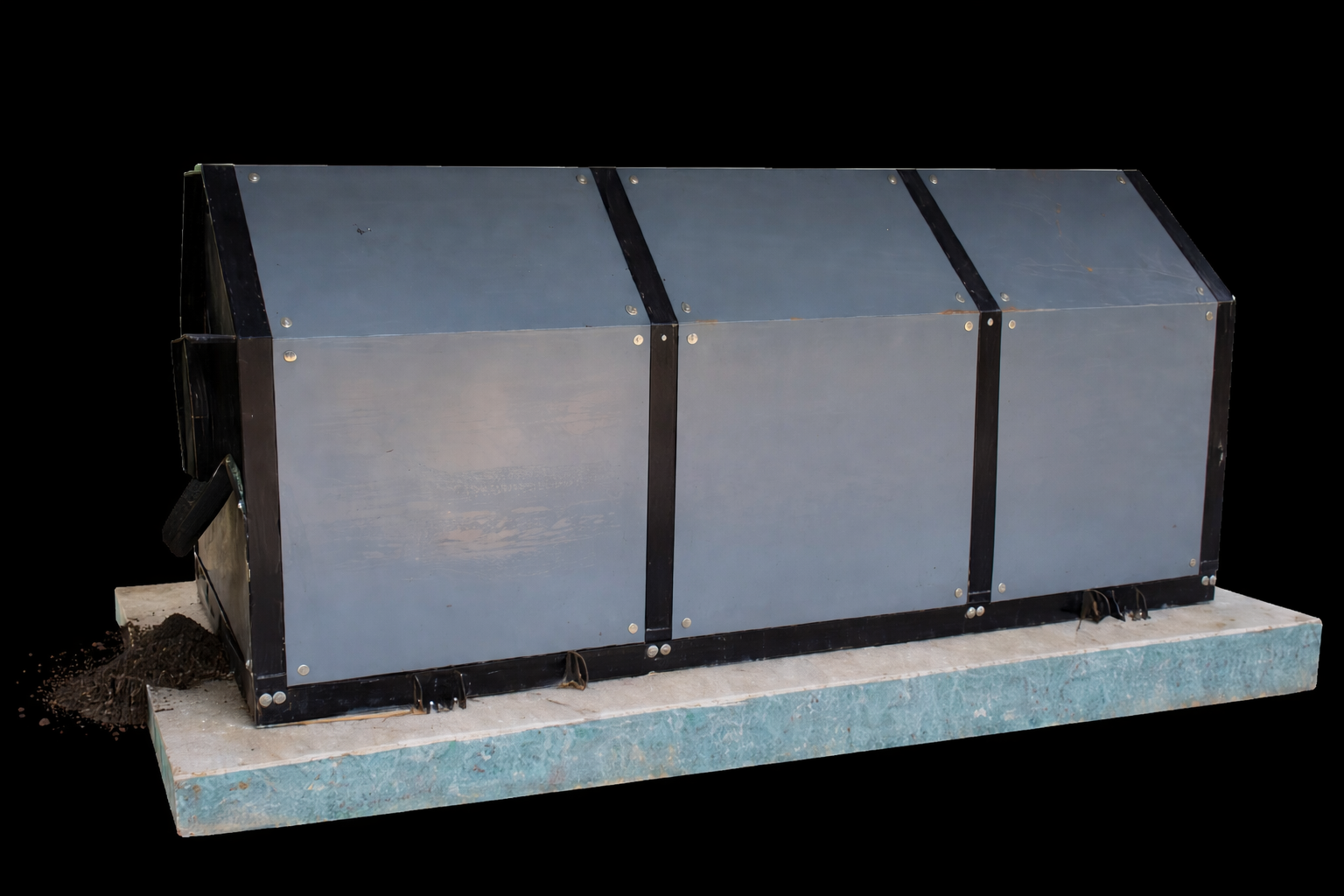
Our OWC machines are built around the same core purpose: converting segregated organic waste into useful compost through controlled aerobic processing. The main difference is the operating method — one model uses assisted heating for faster moisture reduction and temperature support, while the other relies on natural microbial heat with aeration and curing.
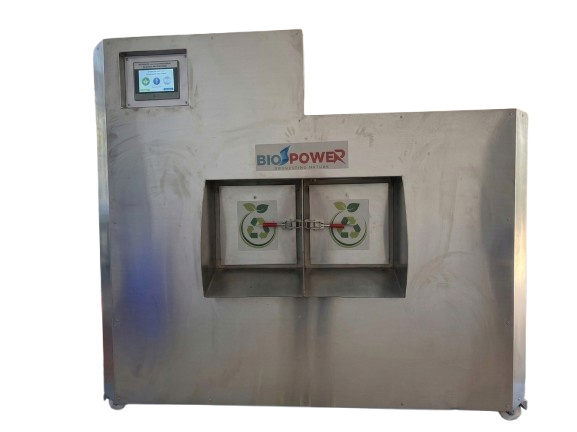
Best when faster pre-processing, controlled drying, and consistent temperature support are required.
View Details →Best when lower power usage, biological decomposition, aeration, and planned curing space are preferred.
View Details →From simple backyard bins to massive municipal facilities, composting methods vary by scale, feedstock, and local needs.
Simple bin or pile composting for household organic waste.
Worms (typically red wigglers) break down organic matter into nutrient-rich castings.
Long rows of organic matter turned periodically. Widely used at scale globally.
Forced air through piles without turning. Faster and more controlled than windrows.
Enclosed systems (drums, tunnels, containers) with precise environmental control.
Anaerobic fermentation pre-treatment before soil application or secondary composting.
Shared composting sites serving neighborhoods or local institutions.
Large-scale facilities processing city-wide organic waste with advanced technology.
The future of composting is smart, efficient, and scalable. These emerging technologies are reshaping organic waste management.
Semi-permeable membranes control emissions and moisture while maintaining aerobic conditions.
Real-time sensors for temperature, moisture, O₂ with cloud-based monitoring dashboards.
Machine learning predicts compost maturity and optimizes aeration schedules automatically.
BSF larvae rapidly reduce food waste volume/mass and compost as value outputs.
Biochar addition improves nutrient retention, reduces emissions, and enhances compost quality.
Combine pre-processing, smart control, and emission reduction for urban environments.
Let's clear up some common misconceptions about composting.
Properly managed aerobic composting has minimal odour. Bad smell indicates anaerobic conditions — easily fixable.
Modern in-vessel and containerized systems work perfectly in dense urban environments.
Modern aerated systems can produce compost in 2–4 weeks. Even traditional methods take just 6–12 weeks.
Many systems are specifically designed for food waste — from home bokashi to industrial in-vessel systems.
Composting returns nutrients to soil, creating a true circular economy. It complements other solutions.
Automated IoT-enabled and AI-assisted composting systems are commercially available today.
Quick answers to the most common composting and implementation questions we receive.
LetsCompost is a knowledge-first platform by Synod Group, designed for individuals, institutions, businesses, and municipalities who want to understand composting, choose the right systems, and implement better organic waste practices.
No. Many effective composting methods — like backyard piles, windrows, or vermicomposting — require no machinery. OWC machines become useful when the site needs controlled on-site processing, better odour management, faster handling, or a cleaner workflow for daily wet waste.
A heating-method OWC uses assisted heat to support drying and process temperature control. A non-heating OWC depends mainly on natural microbial heat, aeration, mixing, bulking material, and curing. Both methods require proper segregation and biological stabilization before the final compost is used.
Yes, absolutely. Modern in-vessel and containerized OWC systems are odour-controlled, compact, and designed for urban environments. Bokashi systems also work well in small apartments with virtually no smell.
Generally avoid meat, dairy, oily foods, diseased plants, and non-biodegradable materials in basic systems. However, many industrial OWC systems are specifically designed to handle these materials safely.
Share your daily waste volume, waste moisture level, available curing space, power availability, manpower plan, and odour-control expectations. Our team can then recommend whether a heating-method or non-heating-method OWC is more suitable for your site.